Key facts from this guide
- Single item limits: Many policies cap individual item payouts at £1,000 or £1,500.
- If you own a £3,000 laser level, that's a problem.
- Even a small 1.5-tonne digger can cost £15,000 to replace.
- Most main contractors require groundworkers to carry at least £5 million public liability cover.
In this guide
- Why Equipment Cover Matters for Groundworkers
- Understanding Tool and Equipment Insurance
- Mini Digger Theft and Hired-In Plant Cover
- Van Insurance for Groundworkers
- What About Public Liability?
- Professional Indemnity: Do Groundworkers Need It?
- Choosing the Right Groundworkers Insurance
- Get Groundworkers Insurance That Actually Works
- Frequently asked questions
Why Equipment Cover Matters for Groundworkers
Groundworking is a kit-intensive trade. Laser levels, plate compactors, trench rammers, breakers, dumpers and countless hand tools make up thousands of pounds' worth of equipment. Lose that to theft or damage, and you're not just facing a hefty replacement bill. You're also off the tools until you can source new kit.
Unlike office-based businesses, groundworkers often work across multiple sites, store equipment in vans overnight, or leave machinery in supposedly secure compounds. Each scenario carries risk. And when equipment goes missing or gets damaged, work stops and income dries up.
That's why equipment insurance isn't optional for groundworkers. It's essential business protection.
Understanding Tool and Equipment Insurance
Tool cover isn't a one-size-fits-all product. Policies vary significantly in what they cover, how much they pay out, and the conditions you need to meet.
Key points to check:
- Single item limits: Many policies cap individual item payouts at £1,000 or £1,500. If you own a £3,000 laser level, that's a problem.
- Unattended theft: Some insurers won't cover theft from sites unless the equipment is in a locked container or building.
- Van theft conditions: Overnight theft from vehicles may only be covered if tools are locked in the vehicle and out of sight.
- All risks vs specified perils: All risks cover protects against most causes of loss or damage. Specified perils only covers listed events like fire or theft.
If your tools regularly stay on site, ask specifically about unattended site cover. Standard policies often exclude this, but groundworkers need it.
Mini Digger Theft and Hired-In Plant Cover
Mini diggers, dumpers, rollers and other plant machinery represent a different risk category. Many groundworkers hire rather than buy, which creates a potential liability gap.
If hired equipment is stolen or damaged while in your care, you're responsible for:
- The full replacement or repair cost
- Lost hire charges while the machine is off-hire
- Potential additional costs if the hire company loses other bookings
Hired-in plant cover (sometimes called hired plant insurance) protects you from these costs. It typically covers:
- Theft of hired machinery
- Accidental damage during use
- Fire, vandalism and malicious damage
- Transit damage if you're moving the plant between sites
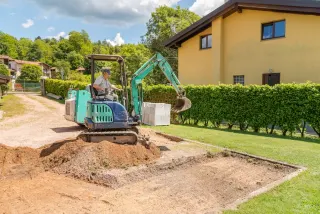
This cover is particularly important for groundworkers who regularly hire mini diggers, as these are high-value theft targets. Even a small 1.5-tonne digger can cost £15,000 to replace.
Van Insurance for Groundworkers
Your van isn't just transport. It's a mobile workshop, storage unit and often the first thing thieves target.
Standard personal van insurance won't cover you for business use. You need commercial van insurance that includes:
- Class 1 business use: Covers you for travelling to different work sites (not just one fixed location)
- Tools in transit cover: This can be included in your van policy or added as an extension, though tool-specific policies often give better coverage
- Breakdown cover: Vital when your van is your business lifeline
If multiple people drive your van (employees, subcontractors, or partners), consider any driver van insurance. This costs more but saves you updating the policy every time someone new needs to drive.
Declare your van's use accurately. If you regularly carry heavy loads or tow trailers, tell your insurer. Failing to disclose this could invalidate claims.
What About Public Liability?
Equipment insurance protects your kit, but groundworkers also need cover for the work itself.
Public liability insurance covers you if:
- Your excavation damages underground services
- A member of the public trips over your equipment
- Your work causes property damage to adjacent buildings
Most main contractors require groundworkers to carry at least £5 million public liability cover. Some larger projects demand £10 million.
If you're working as a subcontractor, check whether you need your own policy or if you're covered under the main contractor's insurance. Do Groundworkers Need Insurance for Subcontractors? explains this in more detail.
Professional Indemnity: Do Groundworkers Need It?
Professional indemnity insurance covers claims arising from professional advice or design work. Most groundworkers work to plans provided by others and won't need this.
However, if you provide drainage design, site levelling recommendations, or other technical advice, you may need professional indemnity cover. It protects you if your advice leads to financial loss for a client.
For more on which trades typically need this cover, see Do Tradesmen Need Professional Indemnity Insurance? A Guide by Trade.
Choosing the Right Groundworkers Insurance
Before comparing policies, assess your actual risk:
- Where do you store tools overnight? In your van, at home, on site?
- How often do you hire plant equipment?
- Do you work alone or employ others?
- What's the total value of your equipment?
- Do you need cover for multiple vehicles?
Once you know what you need, compare policies based on:
- Cover limits: Total policy limit and per-item limits
- Excess amounts: How much you pay per claim
- Exclusions: What's not covered
- Claims process: How quickly will they pay out?
- New-for-old replacement: Will they replace stolen tools with new equivalents, or pay depreciated value?
The cheapest policy isn't always the best. A low premium often means high excesses, strict conditions, or coverage gaps that leave you exposed.
Get Groundworkers Insurance That Actually Works
Groundworkers face specific risks that standard tradesmen policies don't always address properly. From mini digger theft to unattended site cover, you need insurance built around how you actually work.
Compare tailored groundworkers insurance quotes using the button on this page. Our panel includes specialist insurers who understand the trade and offer cover that protects both your equipment and your business.
Frequently asked questions
Does tool insurance cover theft from a site overnight?
Not always. Some insurers only cover theft from sites if equipment is in a locked container or building, and standard policies often exclude unattended site cover altogether, so ask for it specifically if your tools stay on site.
Are my tools covered if stolen from my van overnight?
Overnight theft from a vehicle is often only covered if the tools are locked inside and out of sight. Check the van theft conditions in your policy.
What is hired-in plant cover and do groundworkers need it?
It covers theft, accidental damage, fire, vandalism and transit damage to machinery you hire, such as mini diggers and dumpers. Without it you are liable for replacement or repair costs and lost hire charges, and even a small 1.5-tonne digger can cost £15,000 to replace.
What single item limit should I look for on tool insurance?
Many policies cap individual items at £1,000 or £1,500, which is a problem if you own a £3,000 laser level, so check per-item limits against your most expensive kit.
How much public liability cover do groundworkers need?
Most main contractors require at least £5 million, and some larger projects demand £10 million. It covers risks such as damaging underground services, someone tripping over your equipment or damage to adjacent buildings.
Do groundworkers need professional indemnity insurance?
Most do not, because they work to plans provided by others. You may need it if you provide drainage design, site levelling recommendations or other technical advice that could cause a client financial loss.

Michael Foote, Insurance & Finance Expert
Michael Foote is the founder of Quote Goat and has over 20 years experience working in finance & insurance. Since launching Quote Goat he has appeared on TV as well as many of the largest online publications including Forbes, The Telegraph and The Metro. Prior to Quote Goat, he worked in finance in the city.