In this guide
Why Height Matters in Tree Surgery Insurance
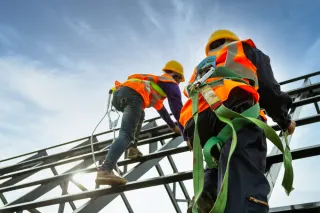
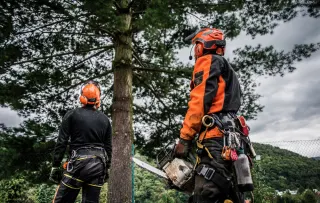
Working at height is part of the job for most tree surgeons. Whether it’s crown thinning, pollarding or complete felling, you’re often up ladders, in harnesses, or operating from climbing ropes and platforms. But not all tradesmen insurance policies include this kind of work as standard and some exclude it completely unless it’s declared in advance.
If you’re not checking the height limits and working-at-height clauses in your policy, you could be operating without proper cover. That’s a problem if something goes wrong.
What’s Usually Covered and What Isn’t
Basic public liability insurance for tradesmen may include tree work, but it often comes with height restrictions. Some policies limit cover to work below 10 metres. Others set the limit at 15 metres. If you’re working above that, you may need specialist tree surgeon insurance or a bespoke policy that reflects the actual height of your jobs.
In many cases, using a cherry picker or mobile elevated work platform (MEWP) also needs to be declared separately, particularly if you’re hiring the equipment rather than owning it. The same applies to rope access and aerial rescue procedures.
Why Some Tree Surgeons Get Caught Out
The most common mistake is assuming that all business insurance is the same. A general trades policy might list “tree work” as an accepted trade but then quietly exclude anything over a certain height or involving power tools used above ground level. If you only realise this after a claim is denied, you’re on your own for the cost of injury, damage or legal action.
Another issue is when tree surgeons expand their services but forget to update their policy. For example, moving from hedge work to full dismantling, or taking on contracts for schools, parks or local authorities, without adjusting cover. If your work changes, your insurance needs to change with it.
What to Look for in a Good Policy
When comparing insurance, make sure you:
- Know the exact height limit covered
- Declare the nature of the work, especially if using MEWPs or climbing equipment
- Check that ground crew are included in the liability cover
- Confirm whether you need employers’ liability for freelance groundworkers or climbers
- Add tool cover if you're storing saws and climbing gear in vans or on-site
These policies should be built around the way your business actually works, not a generic tradesmen template.
Where to Get Proper Cover
Tree surgeons need tailored protection, particularly for working at height, using specialist kit, and working in public spaces or near property. If you want to make sure you're covered for what you need, submit your details via our quote form and get advice from an insurance broker that specialises in tree surgeon cover.
Frequently asked questions
Does public liability insurance cover tree surgeons working at height?
Not always. Basic tradesmen public liability may include tree work but often comes with height restrictions, with some policies limiting cover to work below 10 metres and others to 15 metres. Above that you may need specialist tree surgeon insurance or a bespoke policy.
Do I need to declare using a cherry picker or MEWP to my insurer?
In many cases, yes. Using a cherry picker or mobile elevated work platform often needs to be declared separately, particularly if you hire rather than own the equipment, and the same applies to rope access and aerial rescue procedures.
Why do tree surgeons get caught out by their insurance?
The most common mistake is assuming all business insurance is the same, when a general trades policy may list tree work but quietly exclude anything over a certain height or involving power tools above ground level. Another is expanding into full dismantling or council contracts without updating the policy.
What should a tree surgeon check in an insurance policy?
Know the exact height limit covered, declare the nature of your work including MEWPs or climbing equipment, check ground crew are included in liability cover, confirm whether you need employers' liability for freelance groundworkers or climbers, and add tool cover if saws and climbing gear are stored in vans or on site.

Michael Foote, Insurance & Finance Expert
Michael Foote is the founder of Quote Goat and has over 20 years experience working in finance & insurance. Since launching Quote Goat he has appeared on TV as well as many of the largest online publications including Forbes, The Telegraph and The Metro. Prior to Quote Goat, he worked in finance in the city.